

Why is the Night Sky Becoming Harder to See?
The night sky has inspired navigation and discovery. Yet, nowadays it's hardly visible anymore.
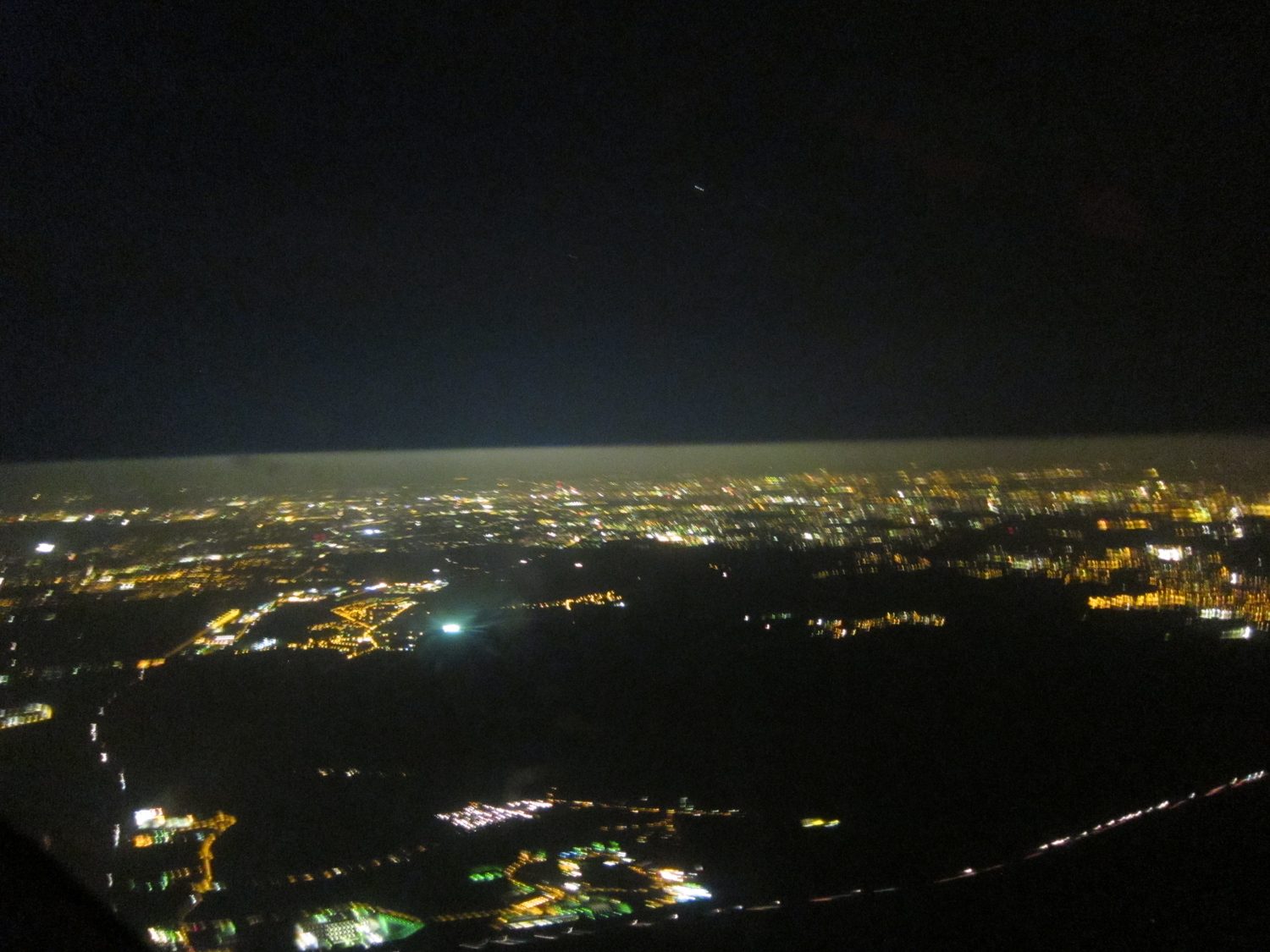
For centuries, the night sky has devoted and inspired curiosity, discovery, and navigation throughout the world. However, as time progresses, fewer people can see the stars as they once did previously.
According to institutes such as the International Dark Sky Association, artificial lighting has dramatically increased the night sky brightness across the world, ultimately resulting in making the stars harder to see throughout the world.
This issue is commonly known as light pollution, becoming one of the biggest challenges facing modern astronomy.
Light pollution not only affects the scientific community but is also a loss for the culture as a whole. For the last four thousand years, people have relied on the light of the stars to determine the seasons of the year, to tell stories, and to locate the routes for their expeditions.
How Light Pollution Changes the Sky
Light pollution may occur when outdoor lighting is not designed properly or used excessively, which may allow light to shine upward into the atmosphere rather than to the ground. The International Dark Sky Association indicates that this scattered light is known as skyglow, a bright haze which washed out faint stars and celestial objects.
The National Geographic has studies which cite that more than 80% of the world's population now live under light polluted skies, as many people have never seen the Milky Way with their own eyes.
Skyglow has been especially detrimental because it has spread so far from the original source of the light pollution. A single city will illuminate the sky several hundred miles out, and these areas were previously dark until the construction of the city.
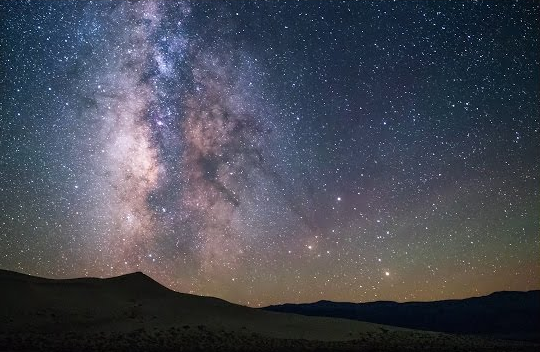
Image by National Geographic Youtube ©
The Impact on Astronomy
Astronomy majorly depends on darkness. Telescopes are made to indicate extremely faint light from galaxies and stars distant.
However, artificial brightness reduces the contrast and is limiting what astronomers can observe. Due to this, major space centers or observatories are built in locations remote that may be far from cities.
Amateur astronomers are also affected by the following changes. People who are amateur astronomers or those using small telescopes in their backyards are finding it difficult to study the planetary systems, nebulae, or even the star clusters that they could previously see.
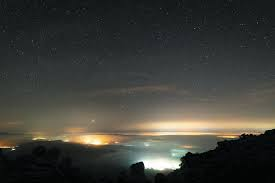
Image by Scientific American ©
Satellites and a Crowded Orbit
Packaged with ground based lighting, satellites are also changing on how the night sky is appearing. NASA has acknowledged the fact of large satellite constellations having the ability to reflect sunlight, causing streaks across many astronomical images.
While satellites are providing essential services like navigation and communication, their rapid growth is leading to higher concerns throughout the astronomical community about preserving the night sky naturally.
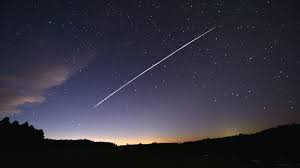
Image by Space ©
Effects Beyond Science
The effects and consequences of light pollution can go beyond astronomy and science. National Geographic and other environmental researchers have reported that excessive light that's artificial can disrupt the ecosystems by affecting migrating birds, nocturnal animals, and insect populations.
Many species rely and tend on darkness for survival, navigation, and reproduction.
Added on, human health can be impacted. The World Health Organization has stated and linked that the use of excessive light during the nighttime can result in disrupted sleep cycles and increase in chronic diseases.
Protecting the Night Sky
Unlike many environmental problems, light pollution is highly reversible. The International Dark Sky Association shows that simple changes such as using shielded lighting, reducing unnecessary illumination, and choosing warmer light tones can significantly reduce skyglow.
Communities and environments around the world started adopting dark sky policies to maintain safety and sustainability while preserving access to the stars.
Looking Forward
All in all, the stars haven't vanished, they are just simply being outshined. The understanding of why the night sky is harder to see can help mankind recognize the impact of the choices we make and the importance of using lighting responsibly.
By protecting darkness, we preserve not only scientific discovery, but also a connection humans share throughout the universe.
swipe for next article
What was unique about the Nobel prize in Physics 2025?
Normally, balls don't fly through walls. However, quantum particles do. Find out how 3…
Metal-Organic Frameworks and Yet Another Nobel Prize
Structures that allow for water purification, substance separation, extraction of CO2 out…
Everything In the World Can Be Simplified Into Its Smallest Components
I've eaten my grandmother's cookies immeasurably often, and so, being curious, I…
A Theory on Logic and Science
How is logic supposed to work? And if science is built on logic, what are the…
What Happens to Milk as it is Made Into Cheese?
The chemistry of milk and cheese: how does milk's structure transform into a variety of…
The 2024 Nobel Prize in Chemistry: A simple explanation
Nobel-winning AlphaFold solves a 50-year mystery, revolutionizing protein structure…